
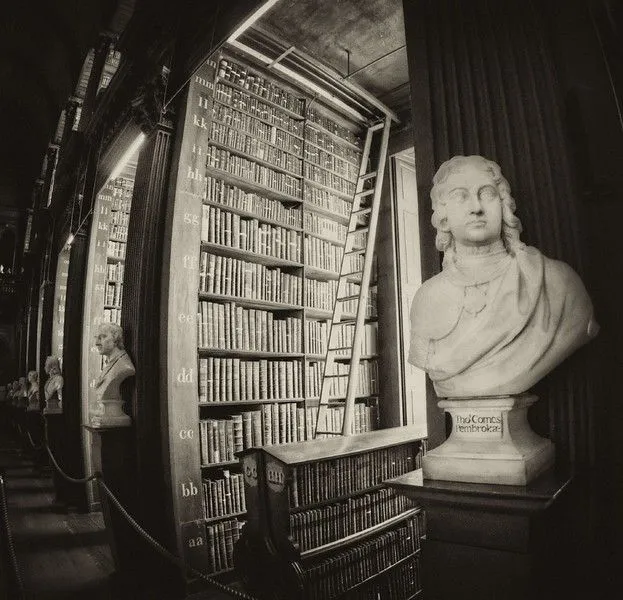
Bibliotherapy is a creative arts therapies modality that involves storytelling or the reading of specific texts with the purpose of healing. It uses an individual's relationship to the content of books and poetry and other written words as therapy. Bibliotherapy is also called book therapy, poetry therapy. Writing therapy or journaling are often combined with literature therapy.
The use of books to change behavior and to reduce distress has a long history, dating back to the Middle Ages. When applied in a therapeutic context, bibliotherapy can comprise both fictional and non-fictional materials.
Fictional bibliotherapy (e.g., novels, poetry) is a dynamic process, where material is actively interpreted considering the reader's circumstances. From a psychodynamic perspective, fictional materials are believed to be effective through the processes of identification, catharsis, and insight. Through identification with a character in the story the reader gains an alternative position from which to view their own issues. By empathizing with the character, the client undergoes a form of catharsis through gaining hope and releasing emotional tension, which consequently leads to insights and behavioral change.
Working with an imaginative journey and a specific selection of metaphors, proponents claim that a therapeutic story approach has the potential to shift an out of balance behavior or situation back towards wholeness or balance. A patient might also find it easier to talk about his issues if he and the therapist can pretend that they are talking about the character's issues.
Research suggests that the story form offers a healing medium that allows the listener to embark on an imaginative journey, rather than being lectured or directly addressed about the issue. It has shown Bibliotherapy has been helpful for clinical conditions such as deliberate self-harm, obsessive–compulsive disorder, bulimia, insomnia and depression. Research also supports bibliotherapy an effective intervention for a wide array of psychological issues including emotional disorders, alcohol addiction, and sexual dysfunction.
Resource: https://www.psychologytoday.com/us/blog/trouble-in-mind/201602/are-you-in-need-bibliotherapy
Photography by Dr. Paul Rains https://paul.smugmug.com/Photography
My Literature Insight: For me, insights through Reflective Reading keeps me focused on the content and is often soothing. Meditational reading quiets my mind and allows me to be less distracted. It is amazingly easy to tune out your surroundings, people, pets and not even be aware of your body is talking to you through your senses. I have learned to “test” how present I am. When I am outside walking, I take a moment to observe my five senses. If I can hear the birds singing, I know I am fully present and am open to insights. If I do not birds singing, I know my mind is unsettled and my soul is troubled.
DISCOVER YOUR LITERATURE INSIGHTS
1. Select to pictures to write a story about. The story may only be a few paragraphs. After you have written two stories, compare them. It is quite common that both stories will be similar. Themes intertwined with both stories. Characters may be similar. Meditate on the two stories. Where do you fit in the story?
2. Read a short story. What character did you identify with? Which characters remind you of people you know. What is the plot of the story? How would this plot apply to your life? For example, the story is about surviving famine. What is the famine in your life?
3. Journaling and therapeutic self-help books can help. You are the writer and reviewer of your self-help book. You do not have to answer every question and fill in every blank spot. AND you do not have to share your workbook with anyone; it is your choice.